
Suffolk is a county with an embarrassment of riches, both in its built environment and in its natural landscapes. Its history is told in its buildings and green spaces – from its wealth in the medieval wool trade and later decline as fortunes faltered. From our foundation almost 100 years ago, we have recognised a changing county and we seek to celebrate all that is special in our built and natural environment, both ancient and modern.
Early 1900s – A call to action
Local protests concerning the loss of Suffolk’s historic buildings grow, and modern industrialised building methods begin to replace traditional crafts.
The 15th century Wool Hall in Lavenham was dismantled circa 1912. After public protest it was reinstated and it now forms part of the Swan Inn.

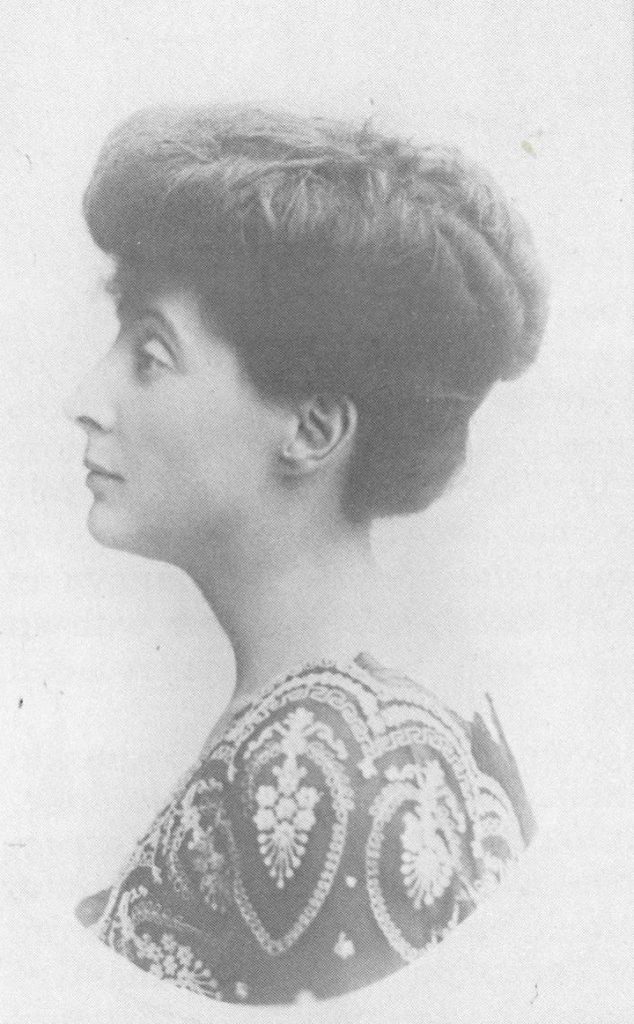
1929 – The birth of the Suffolk Preservation Society
The Society was founded by Muriel Schofield to ‘protect Suffolk – its old buildings and rural countryside’.
She saw the need for a society that would strive to halt the loss of Suffolk’s fine buildings, which were becoming increasingly dilapidated and being dismantled and sold to landowners as far away as America. Communities saw the importance of retaining their local heritage and of valuing historic buildings, landscapes, and crafts.
1930s – Our industrial heritage
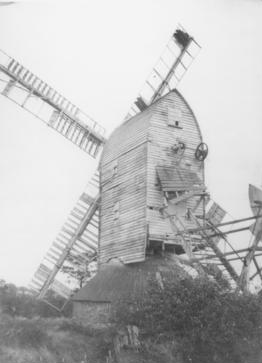
As the nation mechanised and modern industrial methods of production replaced traditional ways of milling, Suffolk’s mills became increasingly redundant. By the mid 1930s, Suffolk had only 62 mills standing.
The Suffolk Preservation Society carried out a photographic record and condition survey of the remaining mills, campaigning for the rescue and repair of the best examples. In the 1950s, the Suffolk Preservation Society successfully campaigned for the preservation of at least one mill of each type.

1950s – Our historic townscapes
The Suffolk Preservation Society played a leading part in saving Gainsborough’s House in Sudbury and other parts of the historic town centre. Sudbury’s many fine buildings tell a story of the towns changing fortunes, and today present an interesting variety of different architectural styles and periods.
1970s – Building preservation
The Suffolk Preservation Society created the Suffolk Building Preservation Trust. The first acquisition was a fine pair of 17th century houses at Rickinghall.
The Suffolk Preservation Society bought Pakenham Water Mill, preserving this historic industrial building. It is now open to the public and is run by the Suffolk Building Preservation Trust.
The Suffolk Preservation Society also set up a Trust to save Garretts’ old works site in Leiston which was restored and now houses The Long Shop Museum.

Championing our countryside
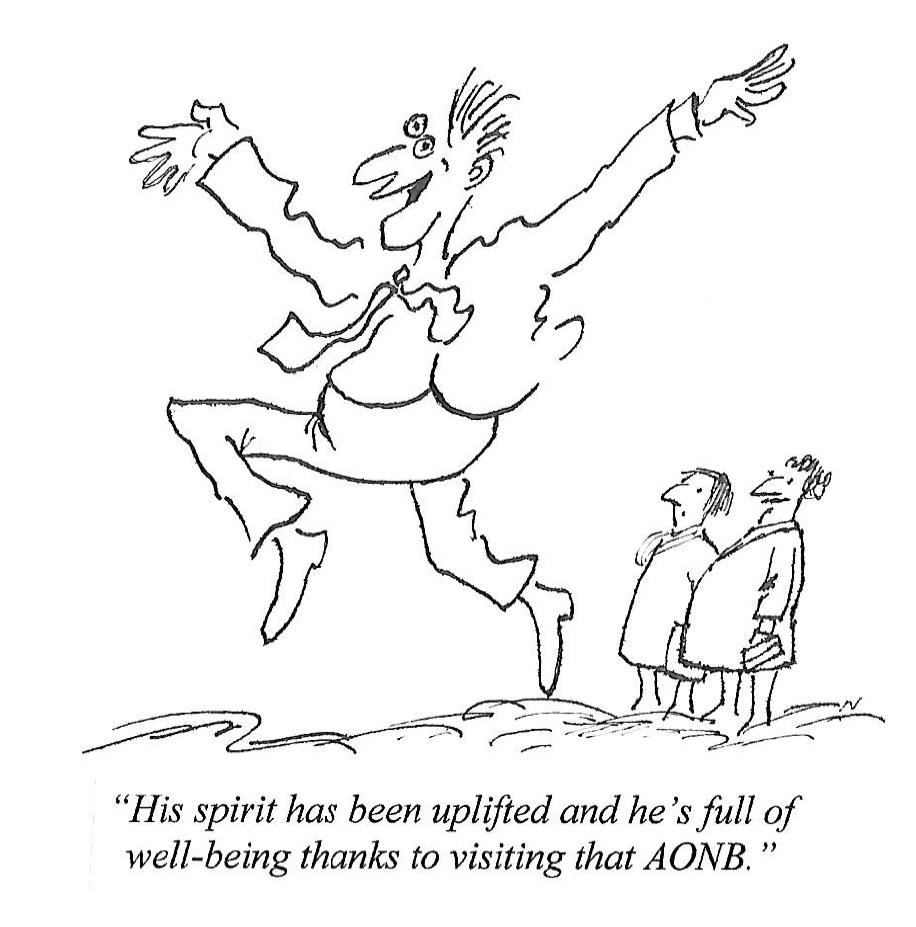
The Suffolk Preservation Society has championed the protection of Suffolk’s special landscapes including the Dedham Vale and the Suffolk Coast, now designated Areas of Outstanding Natural Beauty. It continues to be an advocate for the countryside today.

Our historic churches
The Suffolk Preservation Society has raised awareness of the disuse and decay of Suffolk’s 500 medieval churches.
This led to the foundation of The Suffolk Historic Churches Trust. Today, Suffolk has many fine examples of ecclesiastical architecture throughout the county – from small rural chapels, to urban cathedrals.


Championing good design
The Suffolk Preservation Society has campaigned for good design in new development for some time.
In 1973, having been gifted a site in Wetherden, SPS commissioned architects to prepare a design brief for homes that fitted into a village setting.
In 1992, the Suffolk Preservation Society published its own design guide for Suffolk.
In 2007, the Suffolk Preservation Society held a competition to design a sustainable, contemporary, affordable housing scheme. The result was Clay Fields in Elmswell.
Caring for our county
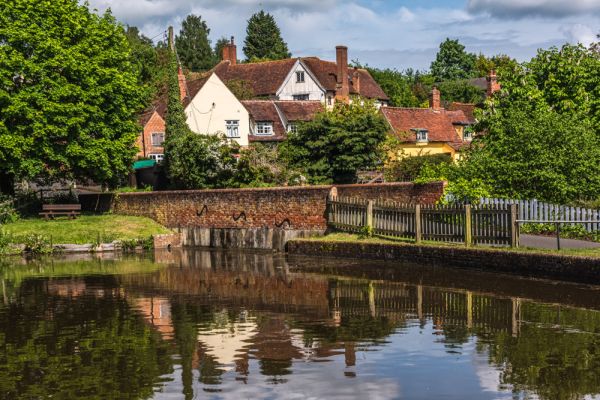
Today, the Suffolk Preservation Society continues its mission, honouring the original vision of Muriel Schofield in championing the unique heritage of Suffolk – its communities, buildings, landscapes and crafts.
We seek to raise awareness through our public events programme, build collaborative partnerships with funders to promote heritage crafts, excellence in building and conservation, and to engage communities in the importance of their surrounding environment.
We care about our county and we celebrate what makes it special.
Our Future
In 2029, we will celebrate our centenary. As our 100th anniversary approaches, we are optimistic about the future. We are continuing our work, celebrating our county’s heritage, championing our historic crafts, and seeking to positively influence development through supporting neighbourhood planning.
We are also putting serious thought into how best to mark our landmark birthday. Please sign up for our e-newsletter and follow us on social media to keep updated, or consider supporting us as a member, or with a one-off donation so that we can continue making a positive impact.